As an Amazon Associate this site earns from qualifying purchases.
Quick Picks
| Product | Best for | Key published detail | Link |
|---|---|---|---|
| INNO WEDGE660 White 11 cu ft, Roof Rack, Roof Box, Cargo Box, hard shell, Low profile | Hard-shell packing with access from either side of the car | Dual side opening; fits aero, square, round and most factory racks | Check Price on Amazon |
| 6 Rooftop Cargo Tie Down Hook Straps-Secure Any Car Roof Bag, Roof Rack Cargo Carrier,or Car Top Carrier | Soft bags on a car with no rack at all | 6 straps providing 12 tie-down anchor points; no working load limit stated on the listing | Check Price on Amazon |
Disclosure: We earn a small commission from qualifying Amazon purchases at no extra cost to you.
As an Amazon Associate we earn from qualifying purchases. This page contains affiliate links, and we may receive a commission if you buy through them — at no extra cost to you.
As an Amazon Associate, we earn from qualifying purchases.
Last Updated: September 2026
Pack a roof cargo box by loading and distributing the contents exactly as your carrier's and crossbar system's own instructions specify, and staying within your vehicle's dynamic roof load rating, your crossbar system's rated load and the carrier's own maximum cargo rating as each of those manuals defines its limit and what it includes. Secure the contents by the carrier manufacturer's approved securement method; wedging soft goods around a load is not a substitute for it, and no packing method guarantees that contents cannot move. Then close, latch and lock the lid using the exact procedure in that manual, and resolve any failure to close before driving.
That is the whole answer. The rest of this guide explains why each of those steps matters, and where people get it wrong.
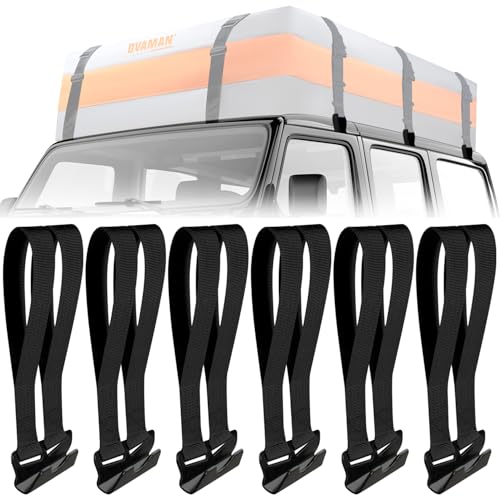
- 【SAFETY COMES FIRST】No more using straps that go through the interior of your car to tie down your roof luggage. This is illegal in some states and can prevent airbags from
- 【COST-EFFECTIVE 】Ideal for carrying bulky luggage without the need for expensive roof bars or roof racks, works with any brand of roof bags, kayaks, surfboards, snowboards and
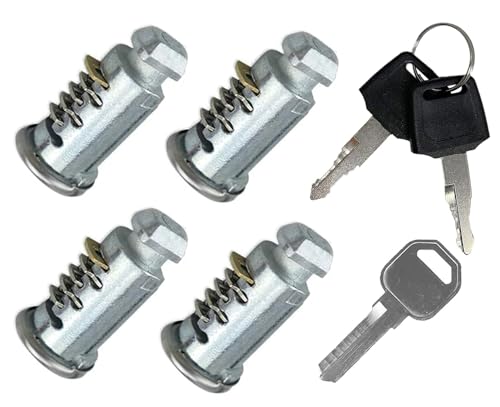
- 【Compatibility】 : Lock Cylinder is perfectly compatible with Thule roof racks, enhancing security for your cargo. Safeguard bikes, surfboards, canoes, kayaks, ski snowboard and
- 【Material】 : The lock cylindersinsertion port is made of stainless steel, the lock cylinder is made of zinc alloy, and the inner core is made of brass, closed design, stable
The Real Problem: Three Weight Limits, Not One
Here's the thing most people miss. A roof box has a capacity. Your crossbars have a capacity. Your vehicle's roof has a capacity. Those three limits are defined differently — a vehicle's dynamic roof load is measured including the crossbars and the empty carrier, while a carrier's cargo rating covers contents only — so do not compare them directly or assume the lowest single number is your allowance; follow each of the applicable manuals for how its limit is measured and what it includes. The box's advertised volume tells you nothing about any of them.
Volume and weight are different constraints. A box can be physically full of sleeping bags and still be nowhere near its weight ceiling, or half-empty with tools and already over your roof rating. Pack by weight, use volume as the shape you have to work with.
Dynamic vs Static Roof Load Explained
This is the single most useful distinction in the whole category, and it is why a rooftop tent is a different conversation from a cargo box.
- Dynamic load is an allowance for a moving vehicle, accounting for cornering, braking, potholes and wind. Where your vehicle or crossbar manufacturer defines one, that moving-vehicle allowance is the figure that governs how you pack a cargo box.
- Static load is an allowance for a parked, stationary vehicle. Not every manufacturer publishes one, and there is no universal relationship between the two figures, so do not infer a static allowance from a moving-vehicle allowance or the reverse.
Step-by-Step: How to Pack a Roof Cargo Box
- Weigh the empty box first, or find its stated weight. It counts against your roof limit before a single item goes in. So do the crossbars.
- Sort and weigh your intended gear. Check each item against the carrier and vehicle instructions, usable interior dimensions and permitted load; bulky items are not automatically light enough.
- Follow the exact loading and weight-distribution instructions in your carrier's and crossbar system's own documentation. They are written for that specific equipment. Do not substitute a general rule for them, and do not assume any particular layout guarantees how the vehicle will handle.
- Check the specified side-to-side distribution. Use the loading pattern your carrier and rack instructions permit, without substituting a universal arrangement.
- Check each item against the usable shape. Put soft goods in tapered areas only where the carrier instructions permit; weigh them and keep them clear of closure hardware as instructed.
- Minimize voids. Loose space lets contents move, but reducing voids is not itself a securement method.
- Secure the load using the carrier manufacturer's approved securement method, including its own tie-down points where its instructions specify them. Packing soft goods around heavy items is not a substitute for approved securement, and it does not guarantee the load cannot move.
- Close, latch and lock the lid using the exact closure procedure in your carrier's instructions. If it does not close and latch as those instructions describe, resolve that before driving.
- Recheck the clearance. Open your tailgate or hatch fully before you leave the driveway, and note your new total height for parking garages.
What Not to Put in a Roof Box
A short list, and it is mostly about density and consequences.
- Dense heavy items: tools, cast iron, canned food, books and water containers need an actual weight and permitted securement check. Use only a location and restraint method your vehicle and carrier instructions allow.
- Anything you need at a rest stop. Reaching a roof box requires stable access that is suitable for you and approved for your vehicle or step equipment — not standing on a tire.
- Fragile items you cannot cushion. Nothing in the supplied product records establishes how much shock or vibration a roof-mounted load sees, so treat it as unknown.
- Valuables. A lock deters, it does not secure. Treat any roof box as a place a determined person can get into.
- Fuel, propane and pressurized containers. Do not treat these as ordinary roof-box cargo. Obtain the exact container and vehicle transport requirements before considering transport. General consumer resources include CPSC and USA.gov's consumer protection resources; they do not replace those specific instructions.
Recommended Products
> The box: INNO WEDGE660 White 11 cu ft — dual-side opening, fits aero, square, round and most factory racks. > The strap kit for bag users: 6 Rooftop Cargo Tie Down Hook Straps-Secure Any Car Roof Bag — 12 anchor points, no roof rack required. > The lock fix: 4 Pack Lock Cores Compatible with Thule One-Key System Lock Cylinders — marketed for the Thule One-Key system; confirm model compatibility and keying.
Tools and Products You'll Need
INNO WEDGE660 White 11 cu ft, Roof Rack, Roof Box, Cargo Box, hard shell, Low profile — Best for packing from either side of the vehicle
The listing states this box fits aero, square, round and most factory racks, which is the compatibility spread that matters most if you are not sure what bars came on your car. Check Price on Amazon
Dual side opening gives access from either side. Choose a safe permitted loading location and use the approved access and load-distribution procedures. INNO's listing describes a track design for forward or backward adjustment for hatch clearance and claims a better weather seal; neither establishes fit or clearance on your vehicle. Confirm the complete approved vehicle, rack and carrier configuration before use.
The listing for the INNO WEDGE660 White 11 cu ft (ASIN B078ZSBHNC) describes a safety lock which allows you to pull the keys out once the box has been closed all the way. The listing does not state that key removal is blocked when the lid is not fully shut, so do not treat the key as a closure check — perform the exact closure checks in the carrier instructions instead.
Supported strengths: broad rack compatibility; access from both sides; adjustable fore-aft positioning; a limited lifetime warranty stated on the listing.
Worth knowing before you buy: the supplied listing information does not state a weight capacity, box weight or exterior dimensions, so you cannot check it against your roof's dynamic load limit from the listing alone. Ask INNO or check the packaging documentation before you load it.
6 Rooftop Cargo Tie Down Hook Straps-Secure Any Car Roof Bag, Roof Rack Cargo Carrier,or Car Top Carrier — Best for securing a soft bag on a car with no crossbars
If you do not have a rack, this is the relevant product. The listing warns about interior strap routing, but supplies no applicable vehicle approval or verified legal guidance. These hooks instead seat between the door's rubber seal and the steel door frame. Check Price on Amazon
The kit is 6 straps giving 12 anchor points, made from what the listing describes as heavy duty 900D PP with double stitching and knotted stitching. The listing for the 6 Rooftop Cargo Tie Down Hook Straps-Secure Any Car Roof Bag, Roof Rack Cargo Carrier,or Car Top Carrier (ASIN B0CZRP2WVV) states no working load limit, breaking strength or approved routing, so neither the anchor count nor the material tells you how a load will be retained. Use the bag, strap and vehicle manufacturers' own securement instructions, and confirm all of them approve the combination for your car.
One genuine fit condition, stated by the seller: your car's rubber door seal has to peel back far enough to expose the metal door frame where the hook sits. Check that on your own car before ordering, because "fits most car models" is the seller's claim, not a guarantee about yours. A peelable seal on its own is not sufficient: confirm with your vehicle, bag and hook manufacturers that the combination is approved for your car, including airbag and door-seal compatibility and any applicable ratings.
Supported strengths: 12 anchor points from 6 straps; hooks described as double-coated stainless iron that will not damage paint; a lifetime warranty on breakage or tearing per the listing.
Worth knowing: the supplied listing information does not state a working load limit or breaking strength for the straps, which is the number you would actually want when deciding how much bag to secure.
4 Pack Lock Cores Compatible with Thule One-Key System Lock Cylinders — A replacement option to confirm with your equipment maker
This is an accessory, not a box. The listing markets it for the Thule One-Key system; confirm exact model compatibility, approved replacement procedure and keying before buying. The kit includes 4 lock cylinders, 2 keys and 1 mounting master key for adding or replacing cores. Check Price on Amazon
Materials, per the listing: stainless steel insertion port, zinc alloy cylinder body, brass inner core, in a closed design the seller describes as wear-resistant and anti-oxidation. For a part that lives outdoors year-round and gets road salt thrown at it, corrosion resistance is the spec that matters, though the listing does not state a corrosion test standard.
Worth knowing: compatibility here is with the Thule One-Key system specifically. The listing states compatibility only with the Thule One-Key system, and says nothing about any other brand's cylinders.
Tips for Best Results
- Inspect and re-check on the schedule your carrier, rack and strap manufacturers specify, following their own instructions; the supplied listings state no inspection interval.
- Put a note on your dash reminding you of your new height. Low garages, drive-throughs and barriers are easy to forget with a loaded roof.
- Expect worse fuel economy and more wind noise. A loaded roof is a drag penalty; plan fuel stops accordingly.
- Take the box off when you are not using it. Empty boxes still cost you fuel and still count against your roof.
- Check your crossbar mounts before a long trip using the tightening and re-check procedure your crossbar and vehicle manufacturers publish; the supplied listings state no torque value, tool or re-torque interval.
Common Mistakes to Avoid
- Using the box's volume as a weight budget. Volume does not establish weight; weigh the actual contents and satisfy every applicable manufacturer-defined limit.
- Ignoring the load placement and distribution instructions in your carrier and crossbar documentation. Those instructions define where weight may sit for your specific equipment.
- Forgetting the box's own weight. It is part of your roof load, always.
- Skipping the hatch clearance check. Follow the approved fit and adjustment procedure, and stop if no permitted mounting position provides the required clearance.
- Assuming a lock means security. Locks deter opportunists; they are not a safe.
- Leaving the load unsecured. Reducing empty space helps, but it does not replace the carrier manufacturer's approved securement method.
- Skipping the inspection checks your manufacturers specify. Follow the re-check instructions in your carrier, rack and strap documentation rather than a general rule.
How We Research
This website does not do product research, and there is no lab behind this page. For this guide, the product facts come from two source types only: Amazon Creators API verified product records and the product listing feature bullets for each ASIN, all retrieved 2026-09-06. Every specification quoted above traces back to one of those, attributed to the seller or manufacturer that published it. Where a listing does not state something — a weight capacity, a strap load rating — the guide says so rather than filling the gap.
The packing methodology itself is general vehicle-loading practice, not a product claim, and your own vehicle and crossbar documentation always overrides it.
Frequently Asked Questions
Dynamic load is an allowance for driving, accounting for braking, cornering and road shock; static load is an allowance for a parked vehicle. Not every manufacturer publishes both, and there is no universal relationship between them, so do not infer one from the other. Use the moving-vehicle allowance your vehicle manufacturer defines, as it defines it; that figure comes from your vehicle documentation, not from the box.
Does the roof box's own weight count toward the limit?
Yes. The box and the crossbars both consume roof capacity before you add cargo, so they have to be counted against every limit that is defined to include them. Your vehicle's dynamic roof load rating, your crossbar system's rated load and the carrier's own maximum cargo rating are defined differently from one another, so do not compare them directly or assume the lowest single number is your allowance — follow each of the applicable manuals for how its limit is measured and what it includes. The supplied listing information for the INNO WEDGE660 White 11 cu ft, Roof Rack, Roof Box, Cargo Box, hard shell, Low profile (ASIN B078ZSBHNC) does not state a cargo capacity or a box weight, so those figures have to come from INNO or your documentation.
Where should the heaviest items go in a roof box?
Follow the exact loading and weight-distribution instructions your carrier and crossbar system publish, since they are written for that specific equipment, and do not assume a particular layout guarantees how the vehicle handles. The supplied listing information for the INNO WEDGE660 White 11 cu ft, Roof Rack, Roof Box, Cargo Box, hard shell, Low profile (ASIN B078ZSBHNC) does not state a loading pattern or weight distribution.
Can I use a roof cargo carrier without a roof rack?
For soft bags, a door-frame strap system is the relevant option. The 6 Rooftop Cargo Tie Down Hook Straps listing (ASIN B0CZRP2WVV) states the hooks seat between the door rubber seal and the door steel frame and require no roof rack, providing 12 anchor points from 6 straps; it states no working load limit or approved routing. Confirm your vehicle, bag and hook manufacturers approve the combination for your car, including airbag and door-seal compatibility and any applicable ratings, and follow their securement instructions. Hard shell boxes still need crossbars.
Is it safe to run straps through the car's interior?
The seller of the 6 Rooftop Cargo Tie Down Hook Straps-Secure Any Car Roof Bag, Roof Rack Cargo Carrier,or Car Top Carrier (ASIN B0CZRP2WVV) warns about interior strap routing, but supplies no applicable vehicle approval or verified legal guidance. Its warning does not make door-frame hooks a generally safe default. Whichever method you consider, require approval from your vehicle, bag and hook manufacturers, including airbag and door-seal compatibility and any applicable ratings.
How do I know the lid is fully closed?
On the INNO WEDGE660 (ASIN B078ZSBHNC), the listing describes a safety lock which allows you to pull the keys out once the box has been closed all the way; it does not state that the keys are held when the lid is unlatched, so this is not a closure test. Otherwise, follow the exact lid and latch closure procedure your own carrier publishes, and resolve any failure to close before driving.
Will a roof box hurt my fuel economy?
Yes, adding a box changes your vehicle's aerodynamics and increases drag. Take it off between trips rather than leaving it mounted year-round.
Final Verdict
Pack by weight, not volume. Find your vehicle's dynamic roof load rating, your crossbar system's rated load and the carrier's own maximum cargo rating, count the box and bars against whichever of those limits are defined to include them, and stay within all of them as each manual defines it rather than treating one number as the whole allowance — then load, distribute and secure the contents as your carrier and crossbar documentation instructs.
For the hardware itself, the choice is genuinely determined by what is already on your car. If you have crossbars, the INNO WEDGE660 White 11 cu ft — whose listing states it fits aero, square, round and most factory racks, and which states no crossbar spacing or width range, so confirm your own bars against INNO's fit information — is the pick here for packing convenience specifically, because it lists dual-side access and an adjustable track; choose a safe loading position and verify actual hatch clearance within the approved mounting range — confirm its weight capacity with INNO before loading, since the listing does not state one. If you have no rack at all, the 6 Rooftop Cargo Tie Down Hook Straps-Secure Any Car Roof Bag is the relevant product, on the strength of the 12 anchor points and door-frame mounting method its listing describes — after you verify your door seal peels back to the metal frame and confirm your vehicle, bag and hook manufacturers approve the combination for your car, including airbag and door-seal compatibility and any applicable ratings. The listing states no working load limit or breaking strength. And the 4 Pack Lock Cores Compatible with Thule One-Key System Lock Cylinders is marketed for the Thule One-Key system; confirm exact approved model fit and keying rather than inferring it from the package count.
Sources and Methodology
Nobody here loaded a box, drove with one, or put a strap on a scale — this website does no physical or laboratory testing, and roof-load safety in particular cannot be established from a product listing at all. What this page is built on is a close reading of the Amazon Creators API verified product records and the published listing feature bullets for the three ASINs above, all retrieved 2026-09-06, plus general vehicle-loading practice for the packing steps.
That combination is enough to tell you what each product's seller claims it fits, how it opens, what it is made of and what is in the box — genuinely useful for narrowing a shortlist. It is not enough to tell you a weight capacity, and in this category that is the number that matters most, so the authoritative sources remain your vehicle's owner's manual and your crossbar manufacturer's documentation. Broader consumer safety guidance is available from CPSC and USA.gov.